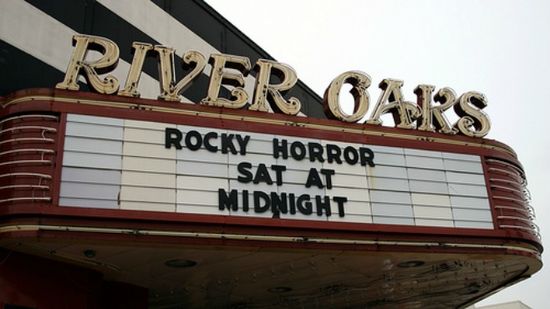
Midnight Movies were initially considered a “craze” (a fad which during the '70s was code for a seasonal rotation of cheap commercial products, such as yo-yos, plastic skateboards, and image-emboldened T-shirts aimed at the youth culture). More accurately however, the drive-in and art-house-driven cinema movement known as Midnight Movies — films screened at 12 midnight — arrived as a response to the success of cheap grindhouse movies. It was a way to capitalize on the hippie drug culture that sought out anything weird enough to be considered “counterculture.” There was a huge audience of stoned kids looking for strange movies they could goof on while high. Showing the same film week after week allowed for word of mouth to spread toward the goal of building a cult audience.
Television played a part in laying the groundwork for the midnight movie tradition.
Beginning in the late ‘50s, regional television stations in towns like Cleveland and Detroit ran their own version of late-night weekly horror movie programming compete with a snarky host dressed up in ghoulish attire. In 1970 Petersburg, Virginia had “Shock Theater,” wherein Bill Bowman (a.k.a. The Bowman Body) would throw his tennis-shoed foot over the edge of a coffin before rising out to introduce that week’s monster flick with sarcastic asides regarding the questionable quality of horror movies like Roger Corman’s “Tales of Terror.”In December of 1970, the Elgin Theater in New York's Chelsea district began running Alejandro Jodorowsky’s surrealist gem “El Topo,” setting off a firestorm of cult attention thanks to the likes of celebrity audience members such as John Lennon. The Elgin began screening “El Topo” at midnight every night of the week except Fridays, when it screened at 1am. A year later Peter Bogdanovich’s 1968 serial-killer thriller “Targets” came into favor along with “Equinox,” “Viva la muerte,” “Night of the Living Dead,” and Tod Browning’s “Freaks” as appropriate midnight movie fare in New York where other venues (the St. Marks, the Waverly, the Bijou, and the Olympia) followed suit.
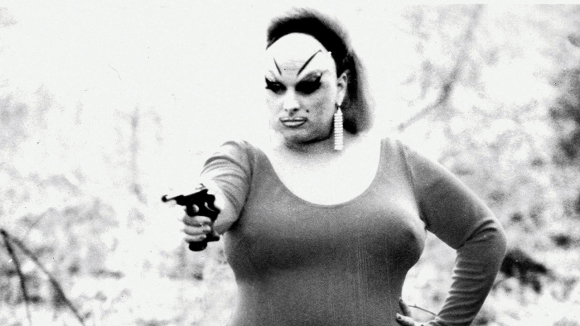
 With its coprophilic climax, and other taboo-breaking scenes, John Waters’s second film “Pink Flamingos” seemed custom-made for the midnight movie market. Waters’s anti-establishment camp went hand-in-glove with the rebel reggae of “The Harder They Come,” starring Jimmy Cliff as an outlaw Jamaican singer based on a real-life character. Although Roger Corman’s distribution company marketed it as blaxploitation, it was clear there was more to “The Harder They Come” by way of its outstanding soundtrack of memorable songs.
By virtue of its urban late-night setting, the midnight movie atmosphere embraced taboo elements of pornography, illicit multi-cultural mixing, exploitation, gore, and LGBT influences. “Flesh Gordon” was a ribald nudity-filled spoof that received an X-rating endorsement from the MPAA. Ralph Bakshi’s 1972 adaptation of R. Crumb’s “Fritz the Cat” became the first X-rated animated film. Thanks to an extended run in the midnight movie circuit, “Fritz” also became the highest grossing independent animated movie up until that time. Take that, Disney.
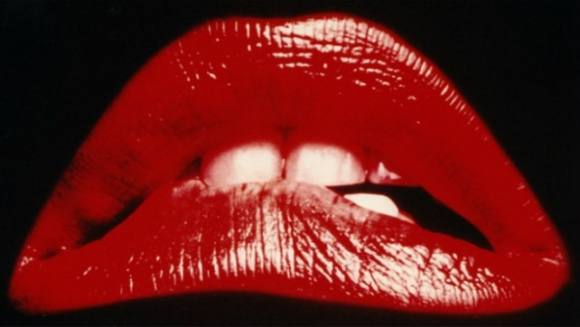
If “Harold and Maude” (1971) seemed tame by comparison, the arrival of “The Rocky Horror Picture Show” on April Fool’s Day 1976 dumped the contents of Pandora’s box all over the floor and kicked it like a scattered rug. Finally, midnight movie audiences had a movie they could interact with as Black audiences had been doing for years with blaxploitation flicks.
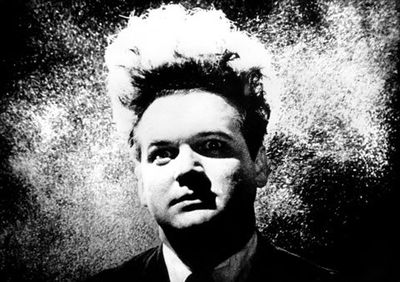
David Lynch’s “Eraserhead” (1977) took midnight movies into a darker realm that matched the mood of the concurrent Punk Rock music explosion that enveloped the UK and America. As with Punk, the midnight movie scene ran out of steam as the Eighties came around. “The Warriors” (1979), “The Gods Must Be Crazy” (1980), “The Evil Dead” (1981), “Heavy Metal” (1981), “Liquid Sky” (1982), and “Pink Floyd The Wall” (1982) helped blow out the candle on a cinematic zeitgeist that burned bright from both ends for just over a decade.
A small request: Help keep Cole Smithey writing reviews, creating video essays, and making podcasts. Click on the button to pledge your support through Patreon, and receive special rewards!